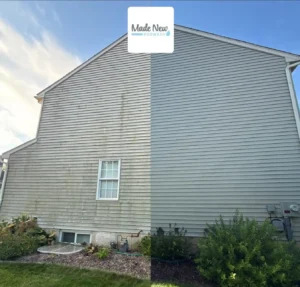
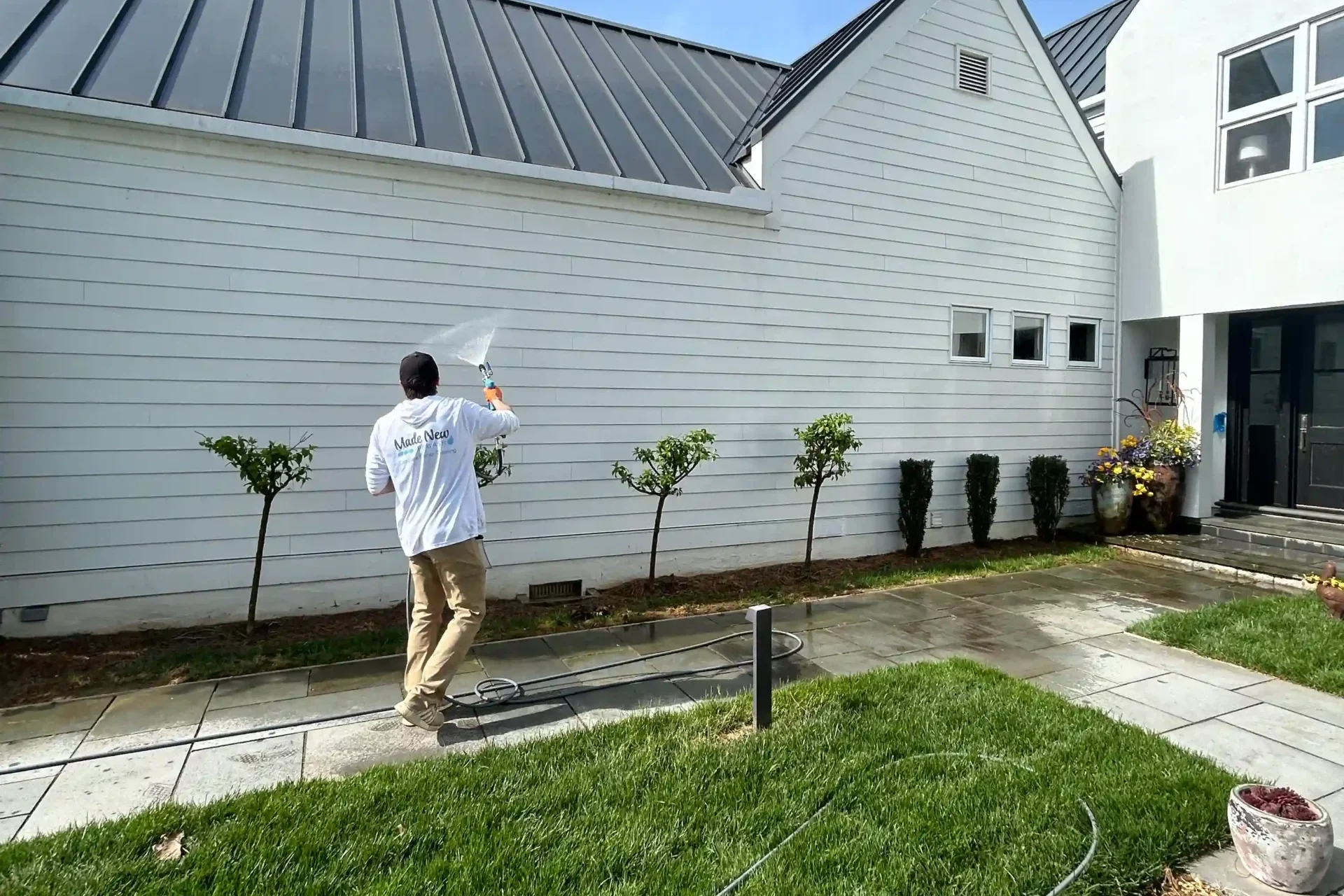
If you’re searching for the safest and most effective way to clean your home’s exterior, soft washing is the clear winner over traditional pressure washing. While pressure washing uses high-powered water streams, soft washing relies on low pressure and specialized cleaning solutions to deliver longer-lasting results—without damaging your home.
Why Traditional Pressure Washing Can Damage Your Home
Many homeowners assume pressure washing is the fastest way to clean siding, but high-pressure water can cause serious problems when used on residential surfaces.
Traditional pressure washing can:
- Strip paint from siding and trim
- Damage vinyl siding, wood, and window seals
- Wear down protective UV coatings
- Force water behind siding, leading to mold, rot, and hidden water damage
Because of these risks, pressure washing is not recommended for most home exteriors.
What Is Soft Washing?
Soft washing is a low-pressure exterior cleaning method that uses environmentally friendly, biodegradable cleaning solutions to safely remove algae, mold, mildew, bacteria, and organic stains.
Instead of blasting dirt away, soft washing:
- Breaks down contaminants at the root
- Sanitizes surfaces
- Delivers a deeper, longer-lasting clean
This makes soft washing the preferred method for house washing, roof cleaning, and delicate exterior surfaces.
Benefits of Soft Washing Your Home
Longer-Lasting Cleaning Results
Soft washing treatments last significantly longer than pressure washing because organic growth is eliminated at its source—not just rinsed away.
Prevents Costly Structural Damage
Algae, mold, and mildew can deteriorate siding, roofing, and building materials over time. Soft washing removes these threats safely, helping prevent expensive repairs.
Improves Curb Appeal & Property Value
A clean, bright exterior instantly boosts curb appeal and can increase your home’s perceived value—especially important if you’re planning to sell.
Healthier Home Environment
Soft washing removes allergens, bacteria, and harmful microorganisms from your home’s exterior, helping improve overall indoor air quality
Soft Washing FAQs
How often should a house be soft washed?
Most homes benefit from soft washing every 12–24 months. Homes in shaded, damp, or wooded areas may need more frequent cleanings.
Can pressure washing damage siding?
Yes. Improper pressure washing can damage siding, paint, and window seals. That’s why professional exterior cleaners use soft washing instead of pressure washing on siding.
Are soft washing solutions safe for plants and pets?
Absolutely. Professional soft washing solutions are biodegradable and environmentally safe. Landscaping is protected through pre-wetting, rinsing, and continuous monitoring.
How long does soft washing take?
Most residential soft washing services are completed in 2–3 hours, depending on the size of the home and services selected.
What surfaces can be soft washed?
Soft washing is ideal for:
- Vinyl, brick, stucco (Dryvit), Hardie board, metal, wood, and stone
- Roofs (asphalt shingles and specialty roofing)
- Gutters, soffits, and fascia
- Decks and fences
- Driveways, sidewalks, patios, and pool decks
Soft Washing vs. Pressure Washing: Key Takeaways
- Soft washing is safer for siding, paint, and roofing
- Results last longer than traditional pressure washing
- Prevents water intrusion and surface damage
- Improves curb appeal and home value
- Creates a healthier environment for your family
Looking for Professional Soft Washing Services?
If you want a safe, effective, and long-lasting exterior cleaning solution, soft washing is the best choice for your home. Contact Made New Prowash today to protect your investment and restore your home’s appearance.